


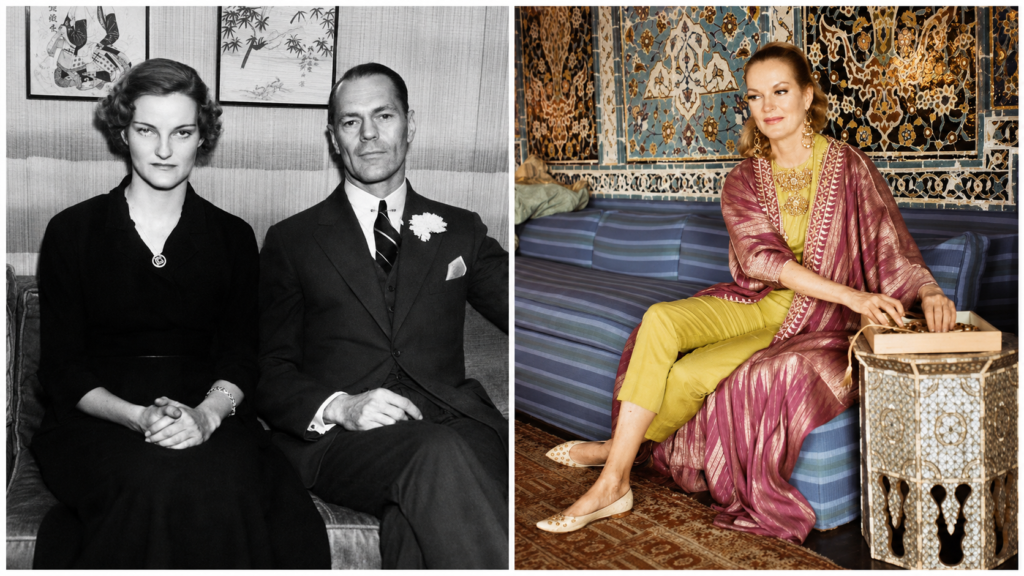
Doris Duke was an American heiress, philanthropist, art collector, and the only child of tobacco and energy magnate James Buchanan Duke. Born in 1912, she inherited a vast fortune at a young age and later became one of the wealthiest women in the United States. Her life combined extraordinary privilege with business responsibility, extensive travel, collecting, and charitable work.
Doris Duke was also known for her remarkable estates, including Duke Farms in New Jersey, Rough Point in Newport, and Shangri La in Honolulu. Her two marriages, personal tragedies, and later estate disputes kept her name in public attention, but her lasting legacy is closely tied to philanthropy, historic preservation, environmental interests, and the charitable foundations created from her fortune.
Quick Bio
| Detail | Information |
|---|---|
| Full Name | Doris Duke |
| Date of Birth | November 22, 1912 |
| Birthplace | New York City, United States |
| Nationality | American |
| Profession | Heiress, philanthropist, art collector, and horticulturist |
| Father | James Buchanan Duke |
| Mother | Nanaline Holt Inman Duke |
| First Husband | James H. R. Cromwell |
| Second Husband | Porfirio Rubirosa |
| Biological Child | Arden Cromwell, who died one day after birth |
| Adopted Daughter | Chandi Heffner, adopted in 1988 and later disinherited |
| Famous Estates | Duke Farms, Rough Point, and Shangri La |
| Known For | Inherited fortune, philanthropy, art collecting, historic preservation, and cultural interests |
| Date of Death | October 28, 1993 |
| Age at Death | 80 years old |
| Estimated Estate Value at Death | Approximately $1.2 billion |
A Tobacco Dynasty Defined Her Childhood
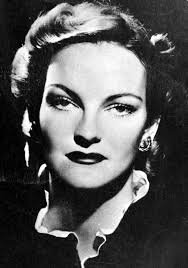
Doris Duke was born into one of America’s wealthiest industrial families. Her father, James Buchanan Duke, built a vast fortune through tobacco and later expanded into electric power, giving Doris a childhood surrounded by extraordinary wealth, large estates, and social influence.
Despite that privilege, her early life was shaped by strong family expectations and the responsibilities that came with being the only child of a major business magnate. From a young age, Doris Duke was connected to a fortune that would later make her one of the richest women in the United States and define much of her public identity.
James Buchanan Duke’s Death Changed Everything at 12
Doris Duke’s life changed dramatically when her father, James Buchanan Duke, died in 1925, when she was only 12 years old. His death left her as the principal heir to a vast fortune built through tobacco, energy, and investments, placing enormous financial responsibility around her long before adulthood.
The inheritance also intensified public interest in Doris Duke, who was soon described as one of the richest girls in the world. Although trustees controlled much of the estate while she was young, the wealth eventually gave her extraordinary independence. It also shaped nearly every later chapter of her life, from real estate and travel to art collecting and philanthropy.
Duke Farms Became Her Lifelong Family Estate
Duke Farms in Hillsborough, New Jersey, remained one of the most important places in Doris Duke’s life. Created by her father, James Buchanan Duke, the vast estate became part of her inheritance and later reflected her own interests in horticulture, conservation, and landscape design.
Rather than treating the property only as a symbol of family wealth, Doris invested significant time and resources into developing its gardens, greenhouses, and natural areas. Duke Farms also gave her a private retreat away from constant public attention. Over time, the estate became closely connected to her environmental interests and later formed an important part of the charitable legacy associated with the Duke name.
Adulthood Gave Her Control of a Vast Fortune
As Doris Duke reached adulthood, she gradually gained greater control over the inheritance left by her father. The fortune included investments, real estate, and other assets connected to the Duke family’s tobacco and energy businesses, giving her a level of financial independence few women of her generation possessed.
That wealth allowed Doris to make major decisions about property, travel, collecting, and philanthropy on her own terms. She invested in estates, art, gardens, and cultural projects while also supporting charitable causes. Rather than simply preserving inherited wealth, Doris Duke used her fortune to shape a lifestyle and legacy that reflected her personal interests.
James Cromwell Became Her First Husband
Doris Duke married James H. R. Cromwell on February 13, 1935, when she was 22 years old. Cromwell came from a prominent family and later became a diplomat and political figure, serving briefly as the U.S. ambassador to Canada. Their marriage also introduced Doris to extensive international travel, including a long honeymoon through Asia, the Middle East, and other regions that influenced her growing interest in art and culture.
The relationship eventually became troubled and ended after lengthy divorce proceedings in 1943. Their years together included both public attention and personal loss, making the marriage an important but difficult chapter in Doris Duke’s life.
Losing Baby Arden Marked a Painful Chapter
One of the most difficult moments in Doris Duke’s first marriage came with the birth of her daughter, Arden Cromwell. The baby was born prematurely in 1940 and died only a day later, leaving Doris to cope with a devastating personal loss during an already complicated period in her marriage.
The experience became one of the most painful chapters of her private life. Doris Duke did not later have another biological child, making Arden’s brief life especially significant in her personal story. The loss added emotional strain to a marriage that eventually deteriorated and ended in divorce a few years later.
Porfirio Rubirosa Brought a Brief Second Marriage
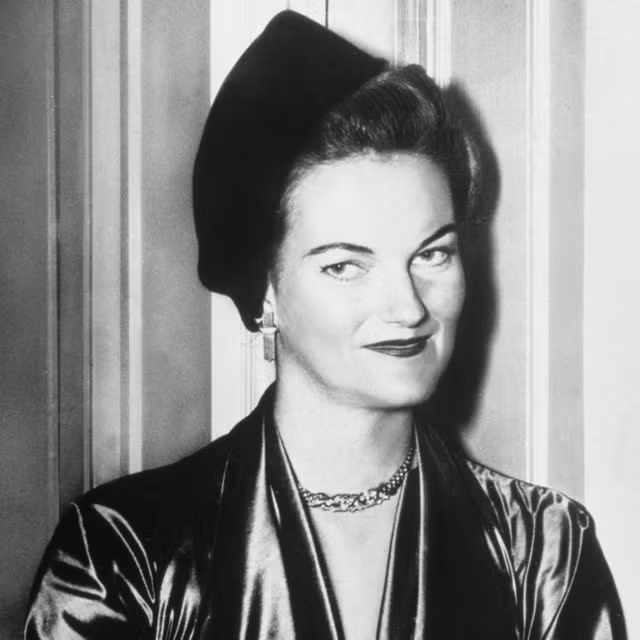
Doris Duke married Dominican diplomat and international socialite Porfirio Rubirosa in 1947, beginning a highly publicized relationship that was very different from her first marriage. Rubirosa was already known for his charm, wealthy social circle, and relationships with prominent women, which brought even more media attention to Doris Duke’s private life.
The marriage lasted only about a year and ended in divorce in 1948. Despite its short duration, the relationship became one of the most discussed chapters of her romantic life because of Rubirosa’s reputation and Doris’s enormous fortune. After the divorce, Doris Duke never married again and increasingly focused on travel, art collecting, estates, and philanthropy.
World Travel Changed Her Taste and Perspective
Travel became one of the strongest influences on Doris Duke’s personal taste and cultural interests. During her 1935 honeymoon with James Cromwell, she traveled through North Africa, the Middle East, India, and other parts of Asia, encountering artistic traditions and architecture that were very different from those she had known in the United States.
These journeys sparked a lasting fascination with Islamic art and design. Doris began collecting decorative objects, architectural elements, textiles, and other works that reflected the places she visited. Her travels eventually shaped the creation of Shangri La in Honolulu, where she combined art, architecture, and landscape into one of the most distinctive expressions of her personal vision.
Shangri La Became Her Islamic Art Masterpiece
Doris Duke transformed her fascination with Islamic art into Shangri La, the striking Honolulu estate she began developing in the late 1930s. The property became both a private residence and a carefully designed setting for the art, architecture, ceramics, textiles, and decorative pieces she collected during decades of travel.
Rather than treating the collection as simple decoration, Doris Duke integrated Islamic artistic traditions into the structure and atmosphere of the home itself. Rooms, courtyards, tilework, and architectural details reflected influences from across the Middle East, North Africa, and South Asia. Shangri La ultimately became one of the clearest expressions of her artistic taste and remains a major part of her cultural legacy.
Rough Point Reflected Her Newport Lifestyle
Rough Point became one of the clearest expressions of Doris Duke’s life in Newport, Rhode Island. The large Bellevue Avenue mansion overlooked the Atlantic Ocean and served as her seasonal home, combining privacy with the elegance of Newport’s Gilded Age social world.
Doris filled Rough Point with European and Asian art, antiques, and personal collections while preserving much of the estate’s historic character. The property also reflected her growing interest in architectural preservation, an issue that later became central to her work in Newport. After her death, Rough Point became a museum operated by the Newport Restoration Foundation, helping preserve both the house and her connection to the city.
Art, Jazz, Surfing, and Horticulture Filled Her Life
Doris Duke’s interests reached far beyond inherited wealth and high society. She became deeply involved in art collecting, jazz, horticulture, and surfing, creating a life shaped by curiosity rather than a single public identity.
Jazz was a particular passion, and she supported musicians while also learning to play instruments herself. In Hawaii, Doris embraced surfing and spent time in a more relaxed environment that contrasted with her East Coast estates. Gardening and horticulture were equally important, especially at Duke Farms, where she developed elaborate gardens and plant collections. These interests gave Doris Duke a highly personal lifestyle that blended culture, nature, travel, and creative expression.
Philanthropy Became More Than Family Tradition
Philanthropy became a defining part of Doris Duke’s adult life rather than simply an obligation connected to inherited wealth. In 1934, she established Independent Aid to manage requests for financial assistance, and she later supported medical research, child welfare, environmental causes, historic preservation, and cultural projects.
Her charitable interests expanded over several decades. She funded AIDS research, supported educational opportunities, created foundations connected to her gardens and preservation work, and used significant portions of her fortune for public benefit. Much of her estate ultimately passed into charitable purposes after her death, ensuring that philanthropy became one of the most lasting parts of Doris Duke’s legacy.
Newport Restoration Preserved a Historic Legacy
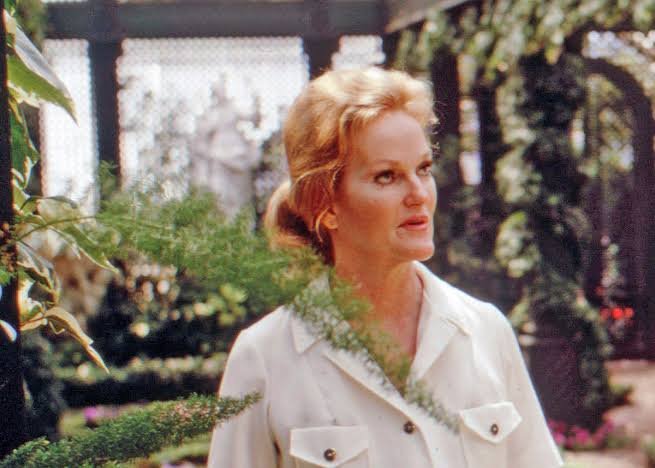
Doris Duke’s commitment to historic preservation became especially visible in Newport, Rhode Island, where she founded the Newport Restoration Foundation in 1968. The organization focused on saving and restoring important colonial-era buildings that might otherwise have been lost to redevelopment or neglect.
Through the foundation, Duke helped preserve dozens of historic properties and supported the architectural character of the city beyond her own Rough Point estate. Her work in Newport showed that her interest in buildings extended beyond personal luxury and collecting. It became a long-term preservation effort that protected local history and added another important dimension to Doris Duke’s philanthropic legacy.
Eduardo Tirella’s Death Brought Lasting Scrutiny
One of the most controversial episodes in Doris Duke’s life occurred in October 1966, when her friend and interior designer Eduardo Tirella was struck and killed by a car she was driving outside Rough Point in Newport. Police initially treated the death as an accident, and Duke was not criminally charged.
Questions about the incident continued for decades. Tirella’s family later won a wrongful-death lawsuit in which Duke was found negligent, while later investigations and witness accounts challenged parts of the original accident narrative. The unresolved questions surrounding Tirella’s death became a lasting and controversial part of Doris Duke’s public legacy.
Chandi Heffner Added a Complicated Family Chapter
In 1988, Doris Duke legally adopted Chandi Heffner as an adult, creating one of the most unusual relationships in her later life. Duke initially treated Heffner as a daughter and possible heir, but the relationship eventually deteriorated and became tied to disputes over money, trusts, and inheritance.
By the time Doris died in 1993, Heffner had been excluded from the final will. She later challenged the estate and eventually agreed to a $65 million settlement in exchange for ending her claims against the roughly $1.2 billion estate. The adoption and later legal battle added a complicated family and financial chapter to Doris Duke’s final years.
Doris Duke Net Worth and Estate Value
Doris Duke’s net worth was estimated at approximately $1.2 billion when she died in 1993, making her one of the wealthiest women in America. Her fortune grew from the inheritance left by her father, James Buchanan Duke, alongside decades of investments, valuable real estate, art collections, jewelry, and other assets.
Her estate included major properties such as Duke Farms, Rough Point, and Shangri La, along with extensive financial holdings and collectible assets. Rather than passing the bulk of this wealth to family members, Doris Duke directed most of her fortune toward charitable purposes, making the estate an important financial foundation for her philanthropic legacy.
A Billion-Dollar Estate Created a Major Will Dispute
After Doris Duke died in 1993, control of her estate, valued at more than $1 billion, became the center of an intense legal battle. Her final will directed most of the fortune toward charitable purposes and named her longtime employee Bernard Lafferty as an executor, a decision that quickly drew challenges from people connected to earlier versions of the estate plan.
The disputes continued for several years and involved questions over executors, trustees, inheritance rights, and management of the charitable fortune. Chandi Heffner eventually ended her claim to the approximately $1.2 billion estate through a reported $65 million settlement. Lafferty later stepped down from his powerful estate role, allowing a new group of trustees to oversee Doris Duke’s charitable legacy.
Her Fortune Ultimately Supported Charitable Work
Much of Doris Duke’s vast fortune ultimately became a source of long-term charitable support. Her estate plan directed the majority of her wealth toward philanthropic purposes, helping fund organizations connected to the arts, environmental conservation, medical research, historic preservation, and social causes.
The Doris Duke Charitable Foundation became the central vehicle for continuing that work after her death. Through grants and long-term programs, her wealth supported projects far beyond the private estates and collections that once defined her public image. This transformation of personal fortune into charitable resources became one of the most important parts of Doris Duke’s legacy, ensuring that her inherited wealth continued creating public value long after her lifetime.
Doris Duke’s Death Ended an Extraordinary Life
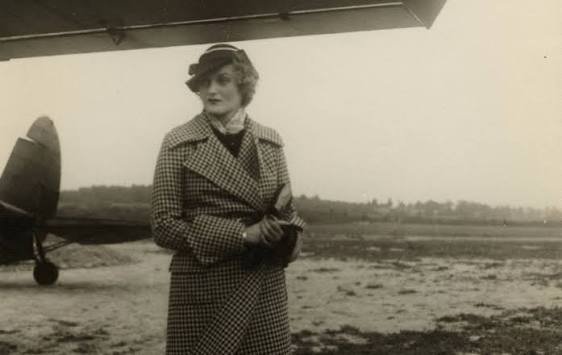
Doris Duke died on October 28, 1993, at her home in Beverly Hills, California, at the age of 80. Her health had declined during her final year following surgeries and a serious stroke. Reports at the time listed progressive pulmonary edema leading to cardiac arrest as the cause of death.
Her death brought an end to a life shaped by immense inherited wealth, extensive travel, art collecting, historic preservation, and philanthropy. Duke was cremated shortly afterward, and her ashes were scattered in the Pacific Ocean according to her wishes. Much of her approximately $1.2 billion estate ultimately supported charitable work, ensuring that Doris Duke’s influence continued long after her death.
Frequently Asked Questions
Who was Doris Duke?
Doris Duke was an American heiress, philanthropist, art collector, and daughter of James Buchanan Duke.
When was Doris Duke born?
She was born on November 22, 1912.
How did Doris Duke become wealthy?
She inherited a major fortune from her father’s tobacco, energy, and investment interests.
What was Doris Duke’s net worth?
Her estate was worth approximately $1.2 billion when she died.
How many times was Doris Duke married?
She married twice, first to James H. R. Cromwell and later to Porfirio Rubirosa.
Did Doris Duke have children?
Her biological daughter Arden died shortly after birth. She later adopted Chandi Heffner as an adult.
What was Shangri La?
Shangri La was Doris Duke’s Honolulu estate and a major center for her Islamic art collection.
What happened to Doris Duke’s fortune?
Most of her estate ultimately supported charitable and philanthropic work.
When did Doris Duke die?
She died on October 28, 1993, at the age of 80.
What is Doris Duke remembered for?
She is remembered for her fortune, philanthropy, art collecting, historic preservation, estates, and cultural interests.
Conclusion
Doris Duke lived an extraordinary life shaped by immense wealth, independence, travel, art, philanthropy, and personal complexity. From inheriting a tobacco fortune as a child to building collections, preserving historic properties, and supporting charitable causes, she created an identity that went far beyond being a wealthy heiress.
Her estimated $1.2 billion estate became one of the most important parts of her legacy after her death in 1993. Although Doris Duke’s life included controversy, difficult relationships, and legal disputes, her lasting influence remains closely connected to philanthropy, cultural preservation, environmental interests, and the institutions that continue to benefit from her fortune.
Read more celebrity profiles on TheNewsMag.
